Product overview
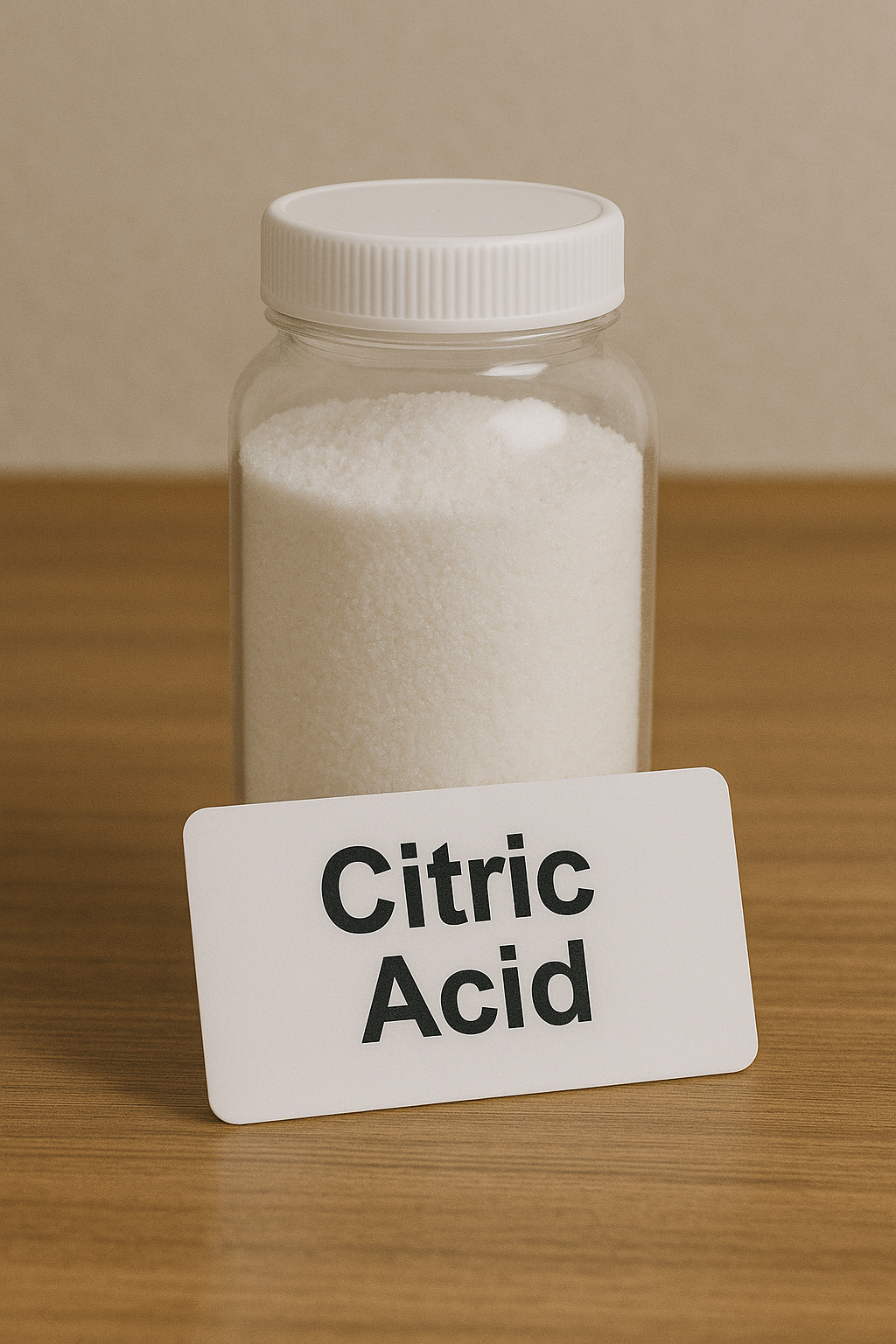
Citric acid (E330) is an organic acid that many organizations integrate into their own
processing,
pH adjustment and formulation programs. On the RawChemix side it is treated as a B2B product
within the
wider industrial chemicals and raw materials portfolio, supplied to professional users who
already
operate with internal procedures, trained personnel and local regulatory frameworks.
For each cooperation, citric acid is discussed together with specifications, documentation and
logistics
patterns that fit the customer's operations. Grade (for example anhydrous or monohydrate),
purity,
packaging formats and delivery schedules are defined directly between RawChemix and the
customer, while
the technical use, handling and storage conditions are determined and controlled by the customer
within
its own systems, risk assessments and compliance requirements.
RawChemix works with business customers in regions such as Australia, New Zealand, Asia, the
Middle East
and North America. For many organizations citric acid is only one element of a broader
industrial
chemicals program that can also include products such as sodium hypochlorite, hydrochloric acid,
caustic
soda, propylene glycol, calcium chloride, calcium carbonate, sodium bicarbonate, isopropyl
alcohol,
oxalic acid, phosphoric acid, magnesium sulfate, acetic acid and formic acid. Each customer
decides how
these products are evaluated and combined in its own processes.
The information on this page is a general product overview intended for business users. It does
not
replace customer-specific procedures, safety documentation, regulatory guidance or professional
advice.
Every organization remains responsible for deciding whether and how citric acid is suitable for
its own
applications, and for implementing appropriate handling, storage and protective measures
according to
local rules and internal standards.